Winter Weather Driving Tips
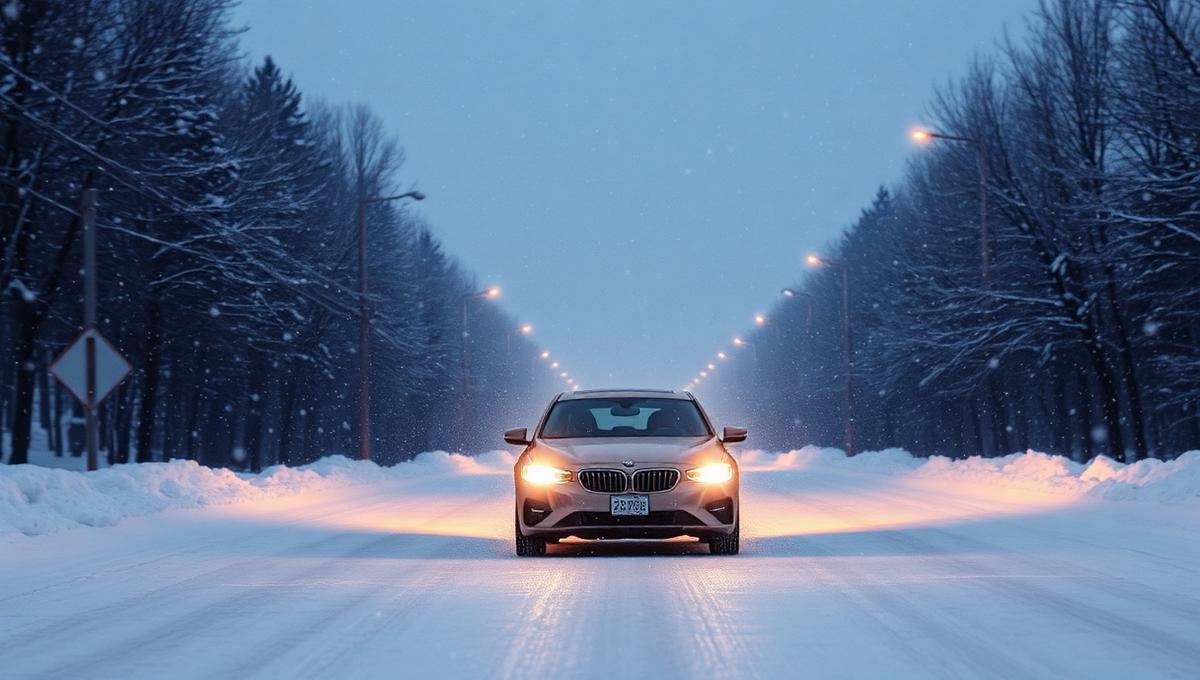
Winter has arrived, and with it comes the unique challenges of driving in colder, harsher conditions. For parents of new teen drivers, this season can bring added anxiety. Getting behind the wheel when roads are slick, visibility is low, and temperatures plummet requires a different approach to driving. Equipping your teen with the knowledge and skills to navigate winter roads safely is paramount. Let's delve into essential winter driving tips to ensure your teen, and your family, stays safe on New Jersey's winter roadways.
Prioritize Visibility: Clean Windows and Beyond
Maintaining clear visibility is non-negotiable in winter. It’s not just about seeing; it’s about being seen. Remind your teen to fully clear all windows, the windshield, and the rear window of snow and ice before even starting the car. Don't forget the side mirrors! A small patch cleared with a credit card is simply not enough. Emphasize the importance of a properly functioning defroster and defogger, both front and rear. In New Jersey, driving with obstructed visibility can lead to fines, but more importantly, it can lead to accidents. Encourage your teen to allow extra time in their schedule to adequately clear their vehicle, rather than rushing and potentially overlooking critical areas.
Tire Health: Your Car's Connection to the Road
Your tires are the only part of your car that touches the road, and their condition is critical in winter. Teach your teen to regularly check their tire pressure. Cold weather causes tire pressure to drop, which can compromise handling and braking. The recommended pressure is usually found on a sticker inside the driver's side door jamb or in the owner's manual. Tread depth is equally important; insufficient tread won't effectively channel away slush and water, increasing the risk of hydroplaning. A simple test is to insert a quarter upside down into a tire groove – if you can see the top of Washington's head, it's time for new tires. While New Jersey generally doesn't experience extreme, consistent heavy snowfall like some mountain regions, discussing the benefits of dedicated winter tires with their enhanced grip on ice and snow could be a worthwhile conversation, especially if your teen commutes on less-trafficked, hilly, or unplowed roads.
Slow Down and Increase Space: The Golden Rules of Winter Driving
DriveSafer Teen Driving App
Log supervised driving hours and track NJ's 50-hour GDL requirement — all in one app.
These two tips are fundamental to safe winter driving. When roads are wet, icy, or snow-covered, stopping distances dramatically increase. The normal "three-second rule" for following distance should at least double, ideally tripling, in adverse conditions. This extra space provides crucial reaction time should the car ahead brake suddenly or encounter a patch of ice. Remind your teen that speed limits are set for ideal conditions, not for whiteout blizzards or black ice. Driving at a reduced speed, even when it feels "slow," is a sign of a responsible and intelligent driver in winter. In New Jersey, driving too fast for conditions can lead to tickets and points on a license, something you definitely want your new driver to avoid.
Mastering the Skid: A Vital Skill
Skidding is one of the most frightening experiences for any driver, especially a new one. It's crucial for your teen to understand the basics of skid recovery. The core principle is to remain calm, ease off the gas pedal (do not brake suddenly!), and steer gently in the direction you want the front of the car to go. For example, if the rear of the car slides to the right, steer gently to the right. Overcorrecting or slamming on the brakes will often worsen the situation. While actual practice in a safe, empty, snow-covered lot is ideal (and something you might consider doing with your teen), understanding the theory beforehand can make a significant difference.
Prepare for the Unexpected: Emergency Kit and Route Planning
Beyond driving techniques, preparedness is key. Encourage your teen to keep a winter emergency kit in their car. This should include jumper cables, a flashlight with extra batteries, blankets, a first-aid kit, a small shovel, non-perishable snacks, and extra warm clothing. Advise them to always top off their fuel tank in winter; running out of gas in frigid temperatures can quickly become dangerous. Before any winter journey, no matter how short, they should check weather forecasts and road conditions, especially if their route involves New Jersey's smaller, less-plowed roads. If conditions are truly treacherous, the safest option is often to delay the trip or find an alternative method of transportation.
Winter driving demands heightened awareness and a proactive approach. By instilling these essential tips and encouraging a cautious mindset, you can help your teen driver navigate the unique challenges of New Jersey's winter roads with greater confidence and safety.
General information, not legal advice. Rules change; check the NJ MVC for current requirements.
Ready to start tracking your teen's practice hours?
Join hundreds of NJ families using DriveSafer to log drives and prepare for the road test.
Start Your Free Trial→