New Car Technologies: Friend, Foe or I Don't Know?
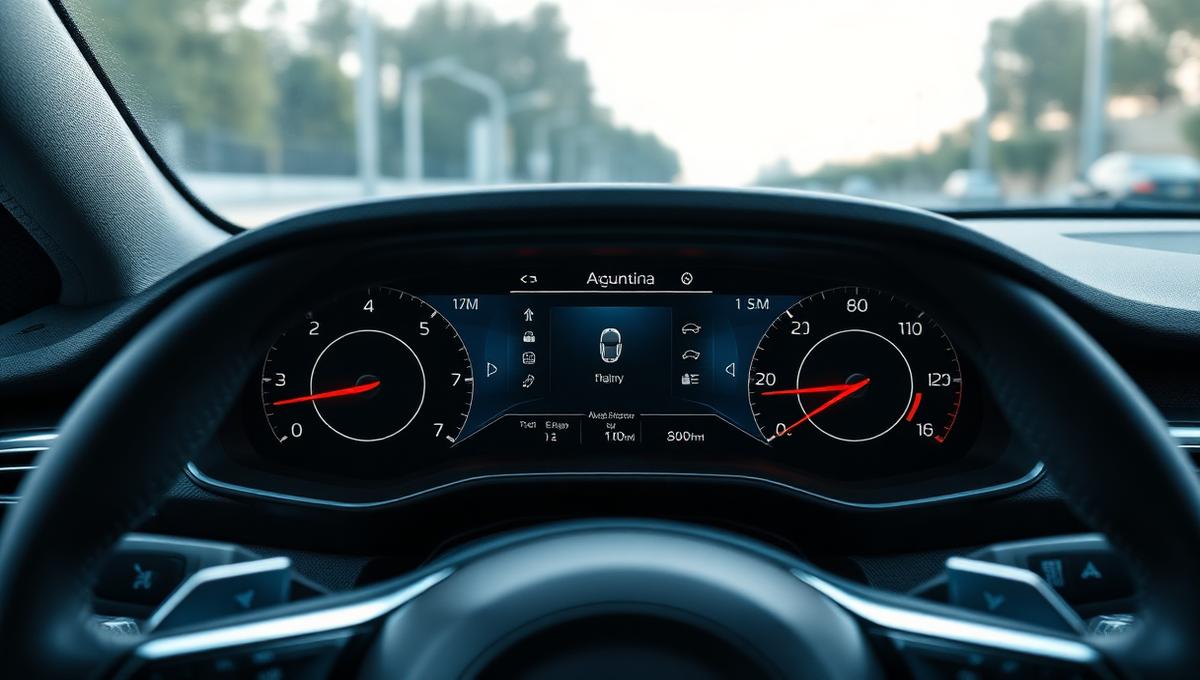
The open road, the wind in their hair – for many teenagers, getting behind the wheel represents a newfound sense of freedom and independence. For parents, it often brings a mix of pride and trepidation. Modern vehicles, thankfully, are increasingly equipped with sophisticated safety features designed to mitigate risks. From automatic emergency braking to adaptive cruise control, a veritable army of sensors and software works tirelessly to make driving safer. But do these technological marvels truly make our roads safer, or do they inadvertently create a false sense of security, especially for our young, inexperienced drivers?
The answer, like so many things in life, isn't black and white. These advancements are undeniably powerful tools. Consider Automatic Emergency Braking (AEB), a system that can detect an impending frontal collision and apply the brakes if the driver doesn't react in time. This technology can significantly reduce the severity of crashes, and in some cases, prevent them entirely. Lane Keeping Assist (LKA) and Lane Departure Warning (LDW) help drivers stay within their lanes, potentially averting common accidents caused by drifting or fatigue. For a new driver navigating the complexities of multi-lane highways in New Jersey, these features can offer a vital extra layer of protection, particularly when encountering unexpected traffic or momentary distractions.
Similarly, Blind Spot Monitoring (BSM) alerts drivers to vehicles in their blind spots, a common cause of accidents during lane changes. Given the often-congested roads and numerous lane changes required on NJ highways like the Garden State Parkway or the Turnpike, BSM can be incredibly beneficial. Parking assist systems, while perhaps less critical for safety than AEB or BSM, can help teens confidently maneuver into tight parking spaces, reducing the likelihood of minor dents and scrapes that can quickly diminish a new driver's confidence (and a parent's patience!).
However, the very efficacy of these technologies can, paradoxically, be a double-edged sword. There's a growing concern that an over-reliance on these systems can lead to a phenomenon called "automation complacency." When drivers become accustomed to the car intervening on their behalf, they might inadvertently let their guard down, relying on the technology to compensate for lapses in attention or skill. For teen drivers, who are still developing essential perceptive abilities and risk assessment skills, this reliance can be particularly detrimental. Instead of actively scanning the road, anticipating hazards, and developing quick reflexes, they might become passive participants, expecting the car to bail them out of trouble.
Imagine a teen driver consistently using adaptive cruise control, which automatically adjusts speed to maintain a safe distance from the car ahead. While excellent for reducing fatigue on long drives, it might prevent them from actively practicing crucial skills like judging following distance and responding proactively to changing traffic conditions. Or consider a driver who always expects their AEB to engage – they might be less vigilant in perceiving and responding to potential hazards themselves.
In New Jersey, where teen drivers are subject to graduated driver licensing (GDL) laws, the emphasis is firmly on skill development and responsible driving habits. These laws, which include restrictions on passenger numbers and nighttime driving, are designed to give young drivers ample opportunity to gain experience in less risky environments. The intent is to build a strong foundation of driving proficiency. While new car technologies can undoubtedly aid in this process, they should never be seen as a substitute for that fundamental skill acquisition.
DriveSafer Teen Driving App
Log supervised driving hours and track NJ's 50-hour GDL requirement — all in one app.
Practical Tips for Parents of Teen Drivers:
- Educate, Don't Just Equip: Discuss these technologies with your teen. Explain how they work, their limitations, and why active, engaged driving remains paramount.
- Don't Disable, But Understand: While tempting to turn off some features to force more active driving, many safety experts recommend keeping them on as an extra layer of protection. However, ensure your teen understands when and how these features activate, and that they shouldn't rely on them exclusively.
- Practice in Varied Conditions: Encourage your teen to practice driving in various scenarios – different weather conditions, traffic levels, and times of day (within GDL restrictions). This helps them develop broad skills beyond what technology can address.
- Emphasize Defensive Driving: Reinforce the principles of defensive driving: always expect the unexpected, maintain a safe following distance, scan the road ahead, and be prepared to react. These timeless skills are the bedrock of safe driving, regardless of vehicle technology.
- Discuss Maintenance & Limitations: Remind your teen that technology isn't infallible. Sensors can get dirty, systems can malfunction, and there are always situations where the technology might not react as expected.
The bottom line remains clear: New car technologies are incredibly valuable safety enhancements, acting as sophisticated co-pilots in our vehicles. But for our teen drivers, they must complement, not replace, the development of robust driving skills, attentiveness, and sound judgment. By integrating these innovations thoughtfully and emphasizing the importance of human skill, we can help our young drivers navigate the roads of New Jersey (and beyond) safely and confidently.
General information, not legal advice. Rules change; check the NJ MVC for current requirements.
Ready to start tracking your teen's practice hours?
Join hundreds of NJ families using DriveSafer to log drives and prepare for the road test.
Start Your Free Trial→