It Could Get Expensive Leaving Snow On Your Car's Roof
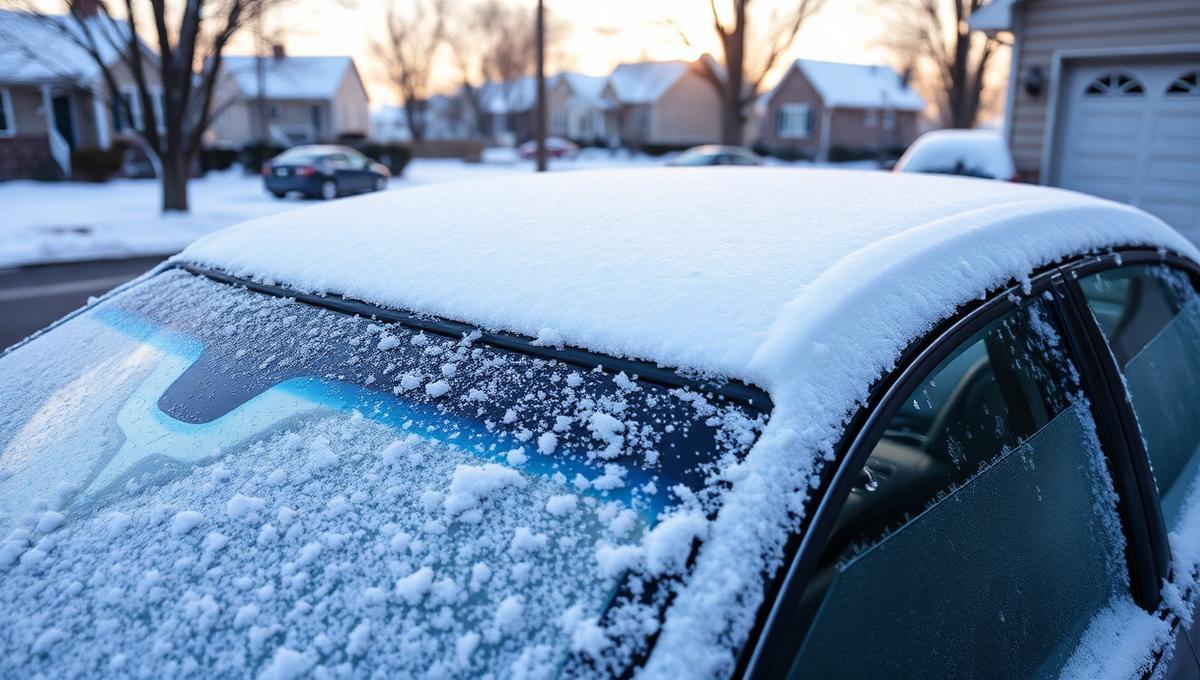
It's a common sight on New Jersey roads during winter: cars cruising along with a precarious mound of snow perched on their roofs. While it might seem like a harmless oversight, that innocent-looking snow can turn into a dangerous projectile and a costly mistake. For parents of teen drivers, especially those just learning the ropes of winter driving, understanding the risks and legal ramifications of neglecting to clear snow from a vehicle is paramount.
Beyond the immediate hazard, it's crucial to know that in New Jersey, failing to properly clear snow and ice from your vehicle isn't just a best practice – it's the law. Violators can face significant fines, ranging from $25 to $75 for cars, regardless of whether the snow or ice actually dislodges. However, if dislodged snow or ice causes bodily injury or property damage, the penalties escalate dramatically, with fines between $200 and $1,000 for each offense. For commercial vehicles, the stakes are even higher, with fines between $500 and $1,500. This isn't just about a potential ding on your wallet; it's about safeguarding everyone on the road.
Practical Tips for Teen Drivers (and Their Parents):
- Make it a Pre-Trip Ritual: Just like buckling up, clearing snow should become a non-negotiable part of preparing for winter driving. Teach your teen to consider it a crucial step in their pre-drive checklist.
- Invest in the Right Tools: A good quality snow brush with an extendable handle and a sturdy ice scraper are essential. Keeping these readily accessible in the car will reduce the temptation to skip the task.
- The "Whole Car" Rule: Emphasize that it's not just the windshield. The roof, hood, trunk, and all windows must be completely clear. Even a small patch of snow on the hood can blow back onto the windshield, obscuring vision.
- Don't Forget the Lights: Headlights and taillights need to be clear and visible to ensure your teen can see and be seen by other drivers.
- Blowing Snow Sucks: Explain the mechanics to your teen. When a vehicle speeds up, the wind resistance can easily lift accumulated snow or ice off the roof. This "snow bomb" can then hit the windshield of a following car, momentarily blinding the driver and potentially causing them to swerve or brake sharply.
- The Weight of the World (and Snow): Even seemingly light, fluffy snow can compact into a heavy, icy chunk over time, especially if there have been repeated thaws and freezes. This makes it even more dangerous as a projectile.
- Parking Smart: If possible, encourage your teen to park under shelter or in a garage during snowy weather to minimize accumulation. While not always feasible, it's a good habit to consider.
- Lead by Example: As parents, your actions speak volumes. Always clear your own vehicle thoroughly. Your teen will be more likely to adopt the habit if they see you consistently doing it.
For new and experienced drivers alike, winter presents unique challenges. Taking a few extra minutes to completely clear your vehicle of snow and ice is a small effort that can have a huge impact on safety and, as we've seen, your wallet. The laws in New Jersey are clear: prioritize safety, clear your vehicle, and avoid unnecessary risks and penalties. During these formative driving years, instilling these critical safety habits in your teen is an investment in their future driving safety and the safety of everyone sharing the road.
DriveSafer Teen Driving App
Log supervised driving hours and track NJ's 50-hour GDL requirement — all in one app.
General information, not legal advice. Rules change; check the NJ MVC for current requirements.
Ready to start tracking your teen's practice hours?
Join hundreds of NJ families using DriveSafer to log drives and prepare for the road test.
Start Your Free Trial→