Do You Eat While You Drive?
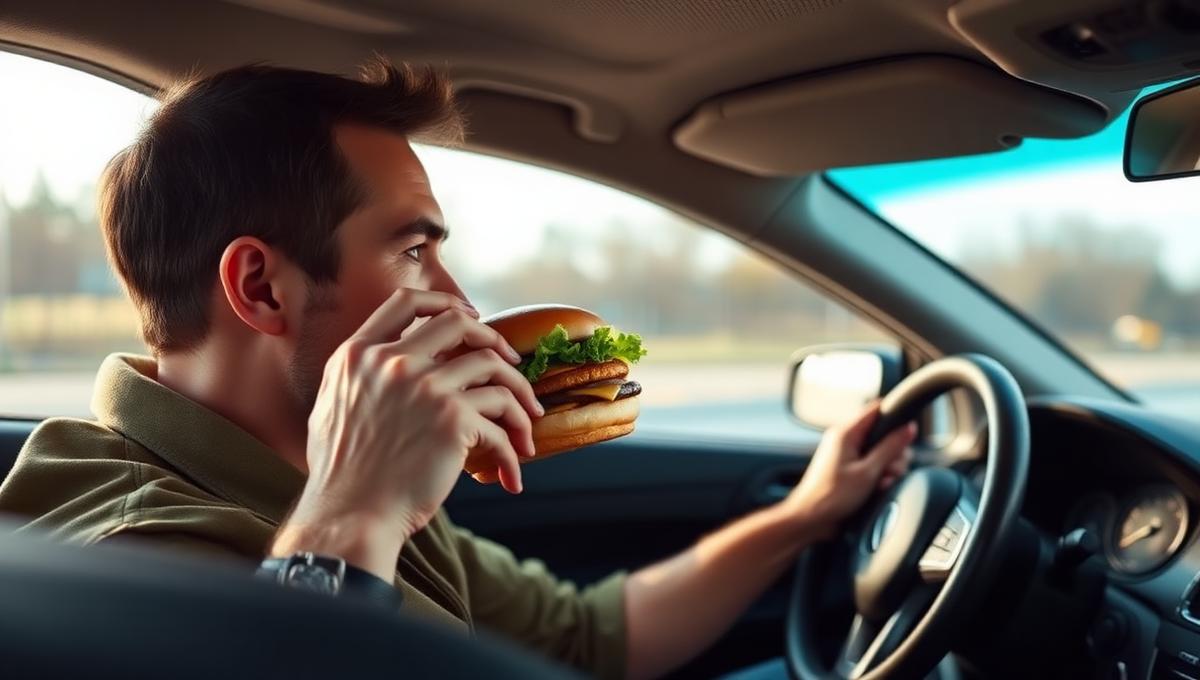
We've all been there. Rushing out the door, grabbing a quick bite, and then realizing your car has become your mobile dining room. While that morning bagel or afternoon snack might seem harmless, eating behind the wheel is a seriously underestimated driving distraction. It’s not just about the type of food – whether it’s a healthy kale salad or a greasy burger – it’s about the act of eating itself and the mental and physical resources it demands from you, the driver.
The truth is, safely operating a vehicle requires your full attention. Every second your eyes are not on the road, your hands are not firmly on the wheel, or your mind is not focused on the traffic around you, significantly increases your risk of an accident. And eating, surprisingly enough, can disrupt all three of those critical components of safe driving.
The Hidden Dangers of Eating and Driving:
- Manual Distraction: Think about it. You’re unwrapping a sandwich, holding a drink, reaching for a chip, or fishing remnants out of the bag. These actions take at least one hand – and often both – off the steering wheel. Even for a few seconds, this reduces your ability to react quickly to sudden changes in traffic, unexpected obstacles, or emergency situations.
- Visual Distraction: Your eyes might momentarily dart down to your food, to a spilled drink, or to find that perfect chip. Even a quick glance away can be perilous. At 60 miles per hour, your car travels the length of a football field in just a few seconds. Imagine how much can happen in that unseen distance.
- Cognitive Distraction: Chewing, swallowing, and even just the act of choosing your next bite can pull your focus away from the primary task of driving. Your brain is processing information about your food instead of fully dedicating its resources to analyzing road conditions, anticipating other drivers' movements, and making split-second decisions.
It's Not Just About Spills (Though Those Don't Help!):
While a spilled coffee or ketchup disaster is certainly an annoyance, it’s also a significant distraction. The sudden shock, the attempt to clean it up, or even just the lingering smell can steal your focus. Hot spills can even cause burns, leading to involuntary reactions that could cause you to lose control of your vehicle.
Practical Tips for Parents and Teen Drivers:
DriveSafer Teen Driving App
Log supervised driving hours and track NJ's 50-hour GDL requirement — all in one app.
This isn't about forbidding food in the car entirely, but rather about promoting responsible habits. Here's how to navigate meals on the go more safely:
- Plan Ahead: Encourage your teen (and set the example yourself!) to eat before leaving the house or to pull over safely if hunger strikes during a long drive. A designated snack break at a rest stop is always safer.
- Choose "Driver-Friendly" Snacks: If absolutely necessary, opt for foods that require minimal effort. Think pre-peeled bananas, apples, or small bags of pretzels that don't crumble extensively. Avoid anything that requires unwrapping, spooning, or significant hand-to-mouth action.
- Hydrate Smartly: Use travel mugs with secure lids for drinks. Keep them in a cupholder where they are easily accessible without looking away from the road.
- No Hot Meals on the Go: Teach your teen that hot food – burgers, fries, elaborate coffee drinks – should never be consumed while driving. The potential for spills and the amount of attention they demand are simply too high.
- Designate a "Food Passenger": If there's a passenger, they can be in charge of handling food, unwrapping it, and even feeding the driver small, non-messy bites if absolutely necessary. This keeps the driver's hands and eyes free.
New Jersey's Stance on Distraction:
While New Jersey doesn't have a specific law against eating while driving, it falls squarely under the umbrella of "distracted driving." Police officers have the discretion to issue citations if they observe a driver exhibiting unsafe behavior due to any distraction, including eating. The penalties for distracted driving in New Jersey can include fines and points on your license, which can have significant repercussions for insurance rates, especially for new drivers.
Empower your teen to make smart choices behind the wheel. Remind them that driving is a privilege that requires full concentration, and that pulling over for a quick bite is a small price to pay for a safe journey. Let's make our roads safer, one focused driver at a time.
General information, not legal advice. Rules change; check the NJ MVC for current requirements.
Ready to start tracking your teen's practice hours?
Join hundreds of NJ families using DriveSafer to log drives and prepare for the road test.
Start Your Free Trial→