10 Tips To Keep You Safe Behind The Wheel This Winter Season
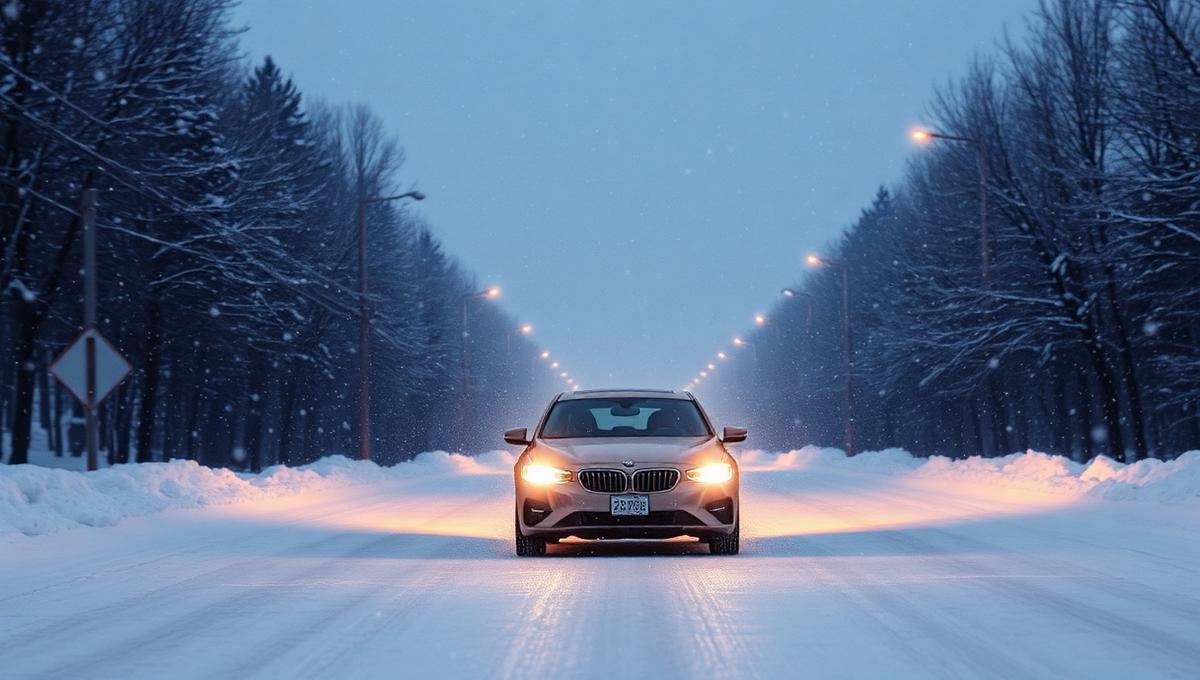
Especially during these harsh winters, it's essential to keep some key things in mind to make sure you are safe on the road. After all, it can get pretty messy out there, and if you aren't mindful of the essentials, the dangers and harm that can result can be that much greater. These are 10 simple and effective tips to keep you safe, brought to you by Drive Safer, the leading teen defensive driving program.
1. Keep those windows clean
Keeping your windshield and windows improves your visibility, reduces distractions and also helps cut down on sun glare. Newspaper and water make a great, cheap window cleaning combo. Wipe the exterior vertically and the internally horizontally -- this way if you have streaks you know which side of the glass it is on!
2. Check where you park for leaks from your car
It is always a good idea to occasionally inspect the spot where you park your car overnight and look for puddles. If there is a puddle, either your car is leaking or is scared you are coming to drive it! Either way, you've got a problem you should fix!
3. Hands-free DOESN'T apply to the steering wheel
We know you "look cooler" driving with one hand, but keep two hands on the wheel at the 3 and 9 positions. This gives you better control when steering, especially when that chipmunk runs out in the street! Keeping your hands at 3 and 9 also keeps your inner arms clear in the unfortunate event of a steering wheel airbag deployment.
4. It's ok to be an "air-head"
You should check your tire pressures once a month. It's quick, easy maintenance you can do yourself that will help your car handle correctly, your tires wear evenly and can even improve your gas mileage. It is important to keep in mind that your tire pressures will be lower in cold weather so if you get a light on your dashboard, check your tire pressure first before worrying.
5. Plan your escape
Waiting until someone is about to swerve into you or hit you from behind is not when you should be looking for a way to avoid being hit. You should always be aware of your surroundings and have options available. Leave some space between you and the car in front of you at a light in case someone behind you might not stop in time.
DriveSafer Teen Driving App
Log supervised driving hours and track NJ's 50-hour GDL requirement — all in one app.
6. Check your treads
Worn tires can lead to poor traction and dangerous blow-outs. The law states that a tire is officially worn out with 2/32" of tread depth. A simple way to gauge this is with some loose change in your pocket -- put a quarter into the tread of your tire. If the tire just touches Washington's head, you have about 4/32" left and should start planning on changing your tires.
7. Be a good listener
When you hear "odd" noises coming from your car, the right answer is not to turn the radio up! Get your car checked out by a qualified mechanic as soon as practical.
8. "Your future's so bright, you gotta wear shades"
Eye strain from glare can fatigue a driver and also make it harder to see obstructions. This is particularly exacerbated when there is snow on the ground. Get yourself some cheap sunglasses; it will help you remain more focused.
9. Warm up to driving
Tires perform at their worst when they are cold. This can get compounded by cold pavement. During the winter months, give a little extra distance when braking, especially until you have driven at least 15 miles to get some warmth into the tires.
10. Salt doesn't just raise your blood pressure
During the winter, there is a lot of salt dumped on the roads. Excessive areas of salt can actually reduce traction for your car; think of it as gravel on the pavement. You should always be scanning the road ahead looking for these low traction conditions. The salt is also corrosive for your car; regular car washes are a lot cheaper than replacing your corroded exhaust!
General information, not legal advice. Rules change; check the NJ MVC for current requirements.
Ready to start tracking your teen's practice hours?
Join hundreds of NJ families using DriveSafer to log drives and prepare for the road test.
Start Your Free Trial→